Image 1 of 2
Image 2 of 2
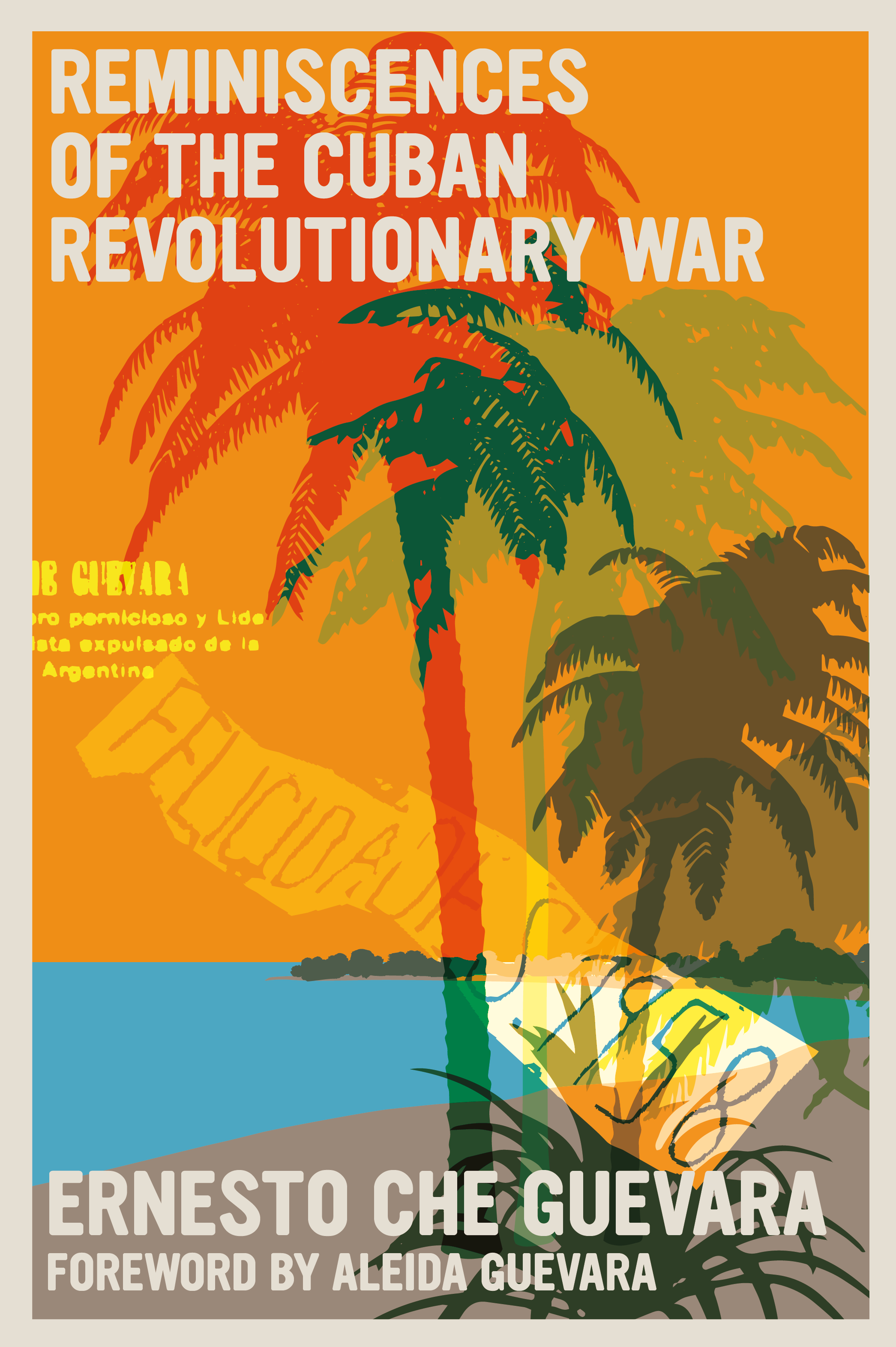
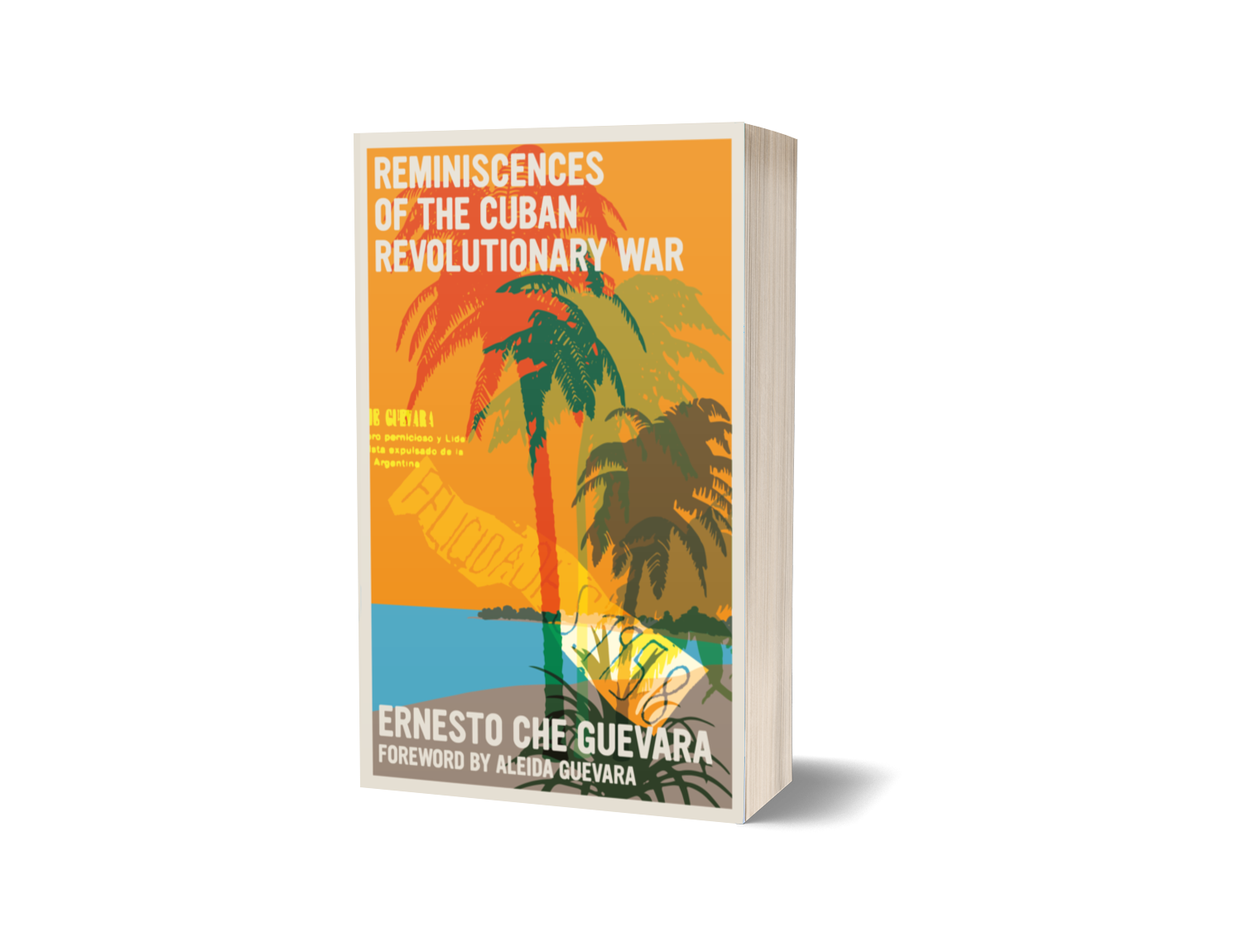
Reminiscences of the Cuban Revolutionary War by Ernesto Che Guevara
From the official Che Guevara Library
Che Guevara's definitive account of the Cuban revolutionary war, in an updated edition.
Includes photos and new foreword by Aleida Guevara—Che's eldest daughter who is a physician.
There is no better account of the Cuban revolutionary war than this little book by guerilla leader Che Guevara. Assembled from his campaign diary, first published in 1963, later corrected and edited by Che, and published here finally in an authoritative edition that includes not only his corrections, but also a number of short essays and articles published just after the revolution's triumph. As always, Che's writing is intimate, searching, and self-critical.
Having initially joined the Cuban expedition as troop doctor, Che describes his dilemma in having to choose between a backpack of medicines and a box of ammunition (he chose the box of ammunition). In another justly famous chapter of the book, "The Murdered Puppy," Che describes how he had to give the order to have a dog killed. Throughout this book, the sweep of history and matters of life and death are rendered in small and intimate ways.
From the official Che Guevara Library
Che Guevara's definitive account of the Cuban revolutionary war, in an updated edition.
Includes photos and new foreword by Aleida Guevara—Che's eldest daughter who is a physician.
There is no better account of the Cuban revolutionary war than this little book by guerilla leader Che Guevara. Assembled from his campaign diary, first published in 1963, later corrected and edited by Che, and published here finally in an authoritative edition that includes not only his corrections, but also a number of short essays and articles published just after the revolution's triumph. As always, Che's writing is intimate, searching, and self-critical.
Having initially joined the Cuban expedition as troop doctor, Che describes his dilemma in having to choose between a backpack of medicines and a box of ammunition (he chose the box of ammunition). In another justly famous chapter of the book, "The Murdered Puppy," Che describes how he had to give the order to have a dog killed. Throughout this book, the sweep of history and matters of life and death are rendered in small and intimate ways.
ABOUT THE AUTHOR
Ernesto “Che” Guevara de la Serna was born in Rosario, Argentina, on June 14, 1928, and killed on October 9, 1967. His short life is that of one of the greatest and most enduring revolutionary figures of all time. One of Time magazine's "icons of the 20th century,” Che was politicized first-hand during his travels as a young man around Latin America, witnessing the CIA-backed overthrow of the elected government of Jacobo Árbenz in 1954 in Guatemala. Soon after, he sought out a group of Cuban revolutionaries exiled in Mexico City and, in July 1955, immediately after meeting their leader Fidel Castro, enlisted in their expedition to overthrow Cuban dictator Fulgencio Batista. The Cubans nicknamed him "Che," a popular form of address in Argentina.
After a fierce revolutionary struggle, General Batista fled on January 1, 1959, and Che became a key leader in the new revolutionary government. Until his murder in 1967, Che was also the main international representative of the Cuban revolutionary government, heading numerous delegations to Asia, Africa, and throughout the Americas.