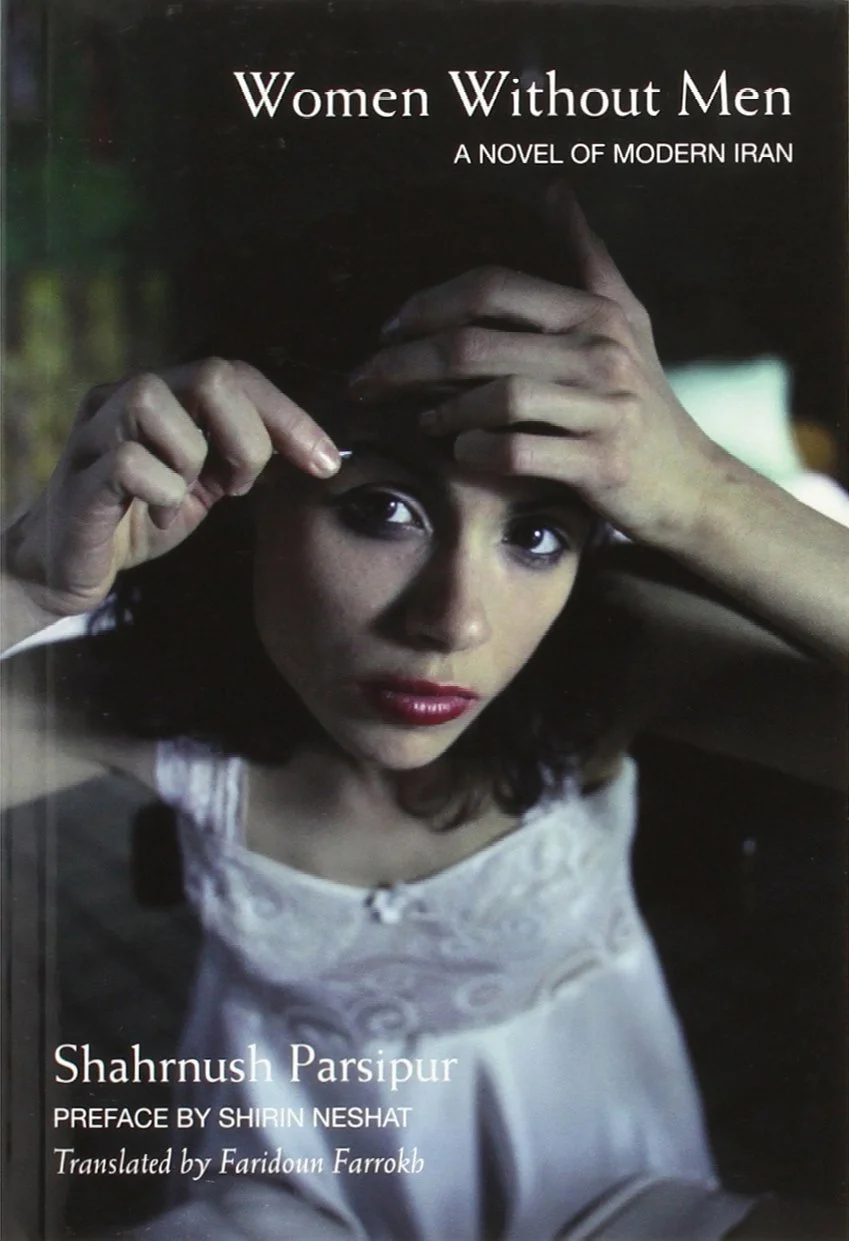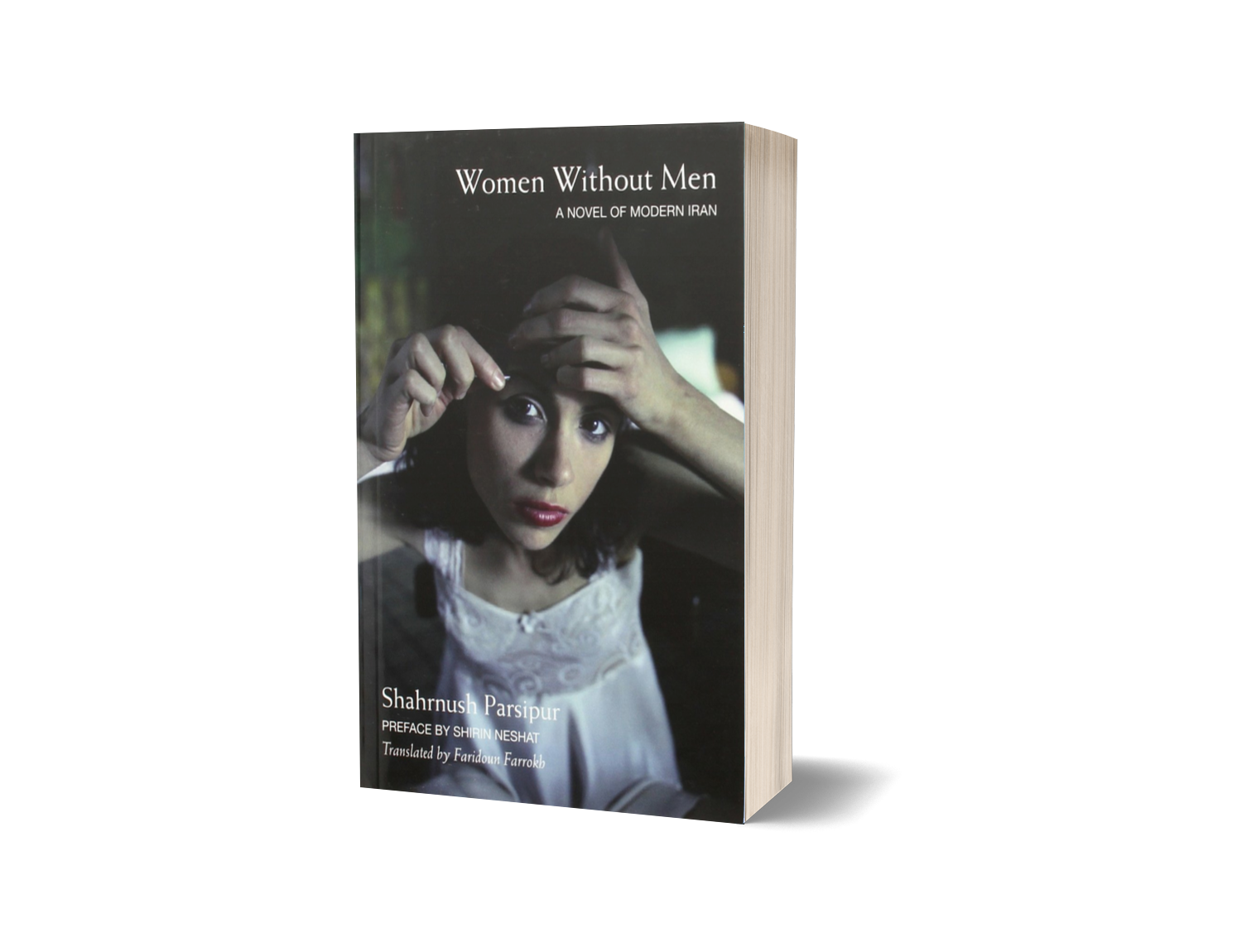
Women Without Men — A Novel of Modern Iran by Shahrnush Parsipur

$16.95

Banned shortly after publication for its depiction of female freedom, “Women Without Men” creates an evocative and powerfully drawn allegory of life in contemporary Iran.

"Using the techniques of both the fabulist and the polemicist, Parsipur continues her protest against traditional Persian gender relations in this charming, powerful novella." —Publishers Weekly

This modern literary masterpiece follows the interwoven destinies of five women—including a wealthy middle-aged housewife, a prostitute, and a schoolteacher—as they arrive by different paths to live together in an abundant garden on the outskirts of Tehran. Drawing on elements of Islamic mysticism and recent Iranian history, this unforgettable novel depicts women escaping the narrow confines of family and society, and imagines their future living in a world without men.

Banned shortly after publication for its depiction of female freedom, “Women Without Men” creates an evocative and powerfully drawn allegory of life in contemporary Iran.

"Using the techniques of both the fabulist and the polemicist, Parsipur continues her protest against traditional Persian gender relations in this charming, powerful novella." —Publishers Weekly

This modern literary masterpiece follows the interwoven destinies of five women—including a wealthy middle-aged housewife, a prostitute, and a schoolteacher—as they arrive by different paths to live together in an abundant garden on the outskirts of Tehran. Drawing on elements of Islamic mysticism and recent Iranian history, this unforgettable novel depicts women escaping the narrow confines of family and society, and imagines their future living in a world without men.

ABOUT THE AUTHOR

Shahrnush Parsipur was born in Tehran in February 17, 1946. She started her literary career when she was sixteen, writing short stories and articles. She graduated from the University of Tehran in Sociology. When she was twenty-eight, she wrote her first novel, Sag va Zememstaneh Boland (The Dog and the Long Winter – translated into Russian). In the same year, while serving as the producer of the Rural Women, a socially inclined weekly program for the National Iranian TV, she resigned from working for that organization, in view of protesting against the meaninglessly cruel torture and execution of two journalist-poet activists by SAVAK. She was imprisoned for a few months, but later, she moved to France to study Chinese Philosophy and Language. There, she wrote her second novel, Majerahayeh Sadeh va Kuchake Ruheh Derakht (Plain and Small Adventures of the Spirit of the Tree) in 1977.